How I Started My Photography Business—In High School
I started my photography business when I was only a sophomore in high school. Now, almost ten years later, I’m a full-time photographer with clients all over the country. I’ve had fashion editorials published in magazines, I’ve photographed a vow renewal in Paris, I’ve been hired by brands, and I’ve even had my photos shown on Shark Tank!!
How did I go from being an awkward high school student to a thriving business owner? There’s a lot that’s happened between then and now, but it all started when I was 16, doing whatever I could to figure things out.
Whether you're a high schooler looking to start your own photography business or you just want to learn more about my journey, I want to share all the details of what I did back then, as I look back 10+ years later from my new POV as a professional photographer!
Tips for Starting a Photography Business in High School
Here are eight things I focused on when I started my photography business as a high schooler:
Shoot as much as possible (for fun)
Okay, so I knew I wanted to turn my passion for photography (a passion I’d been growing for over six years at that point) into a business. Only one problem: I didn’t have any clients. But I didn’t let that stop me—I knew that if I started sharing my work, the clients would come later (or so I hoped!). That meant I needed to create work to share.
My first move was asking my friends to model for me. If my friends were willing to get in front of the camera, I was going to take photos of them!! We worked with what we had; before I could drive, we took photos in my backyard or at the playground down the street from my house. Once I could drive us around, we graduated to local parks, cool streets in nearby cities, and anywhere else we could find that inspired us.
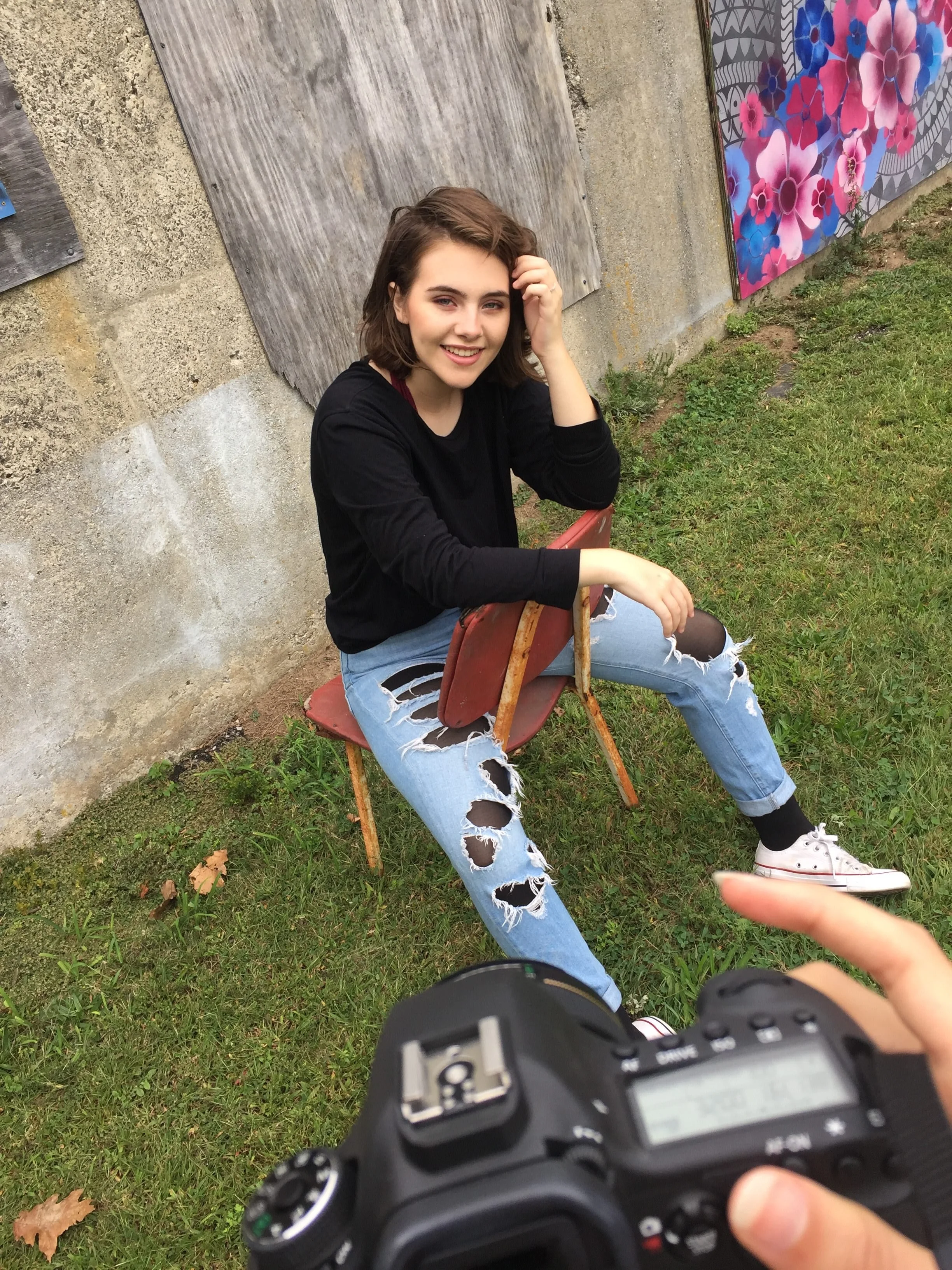
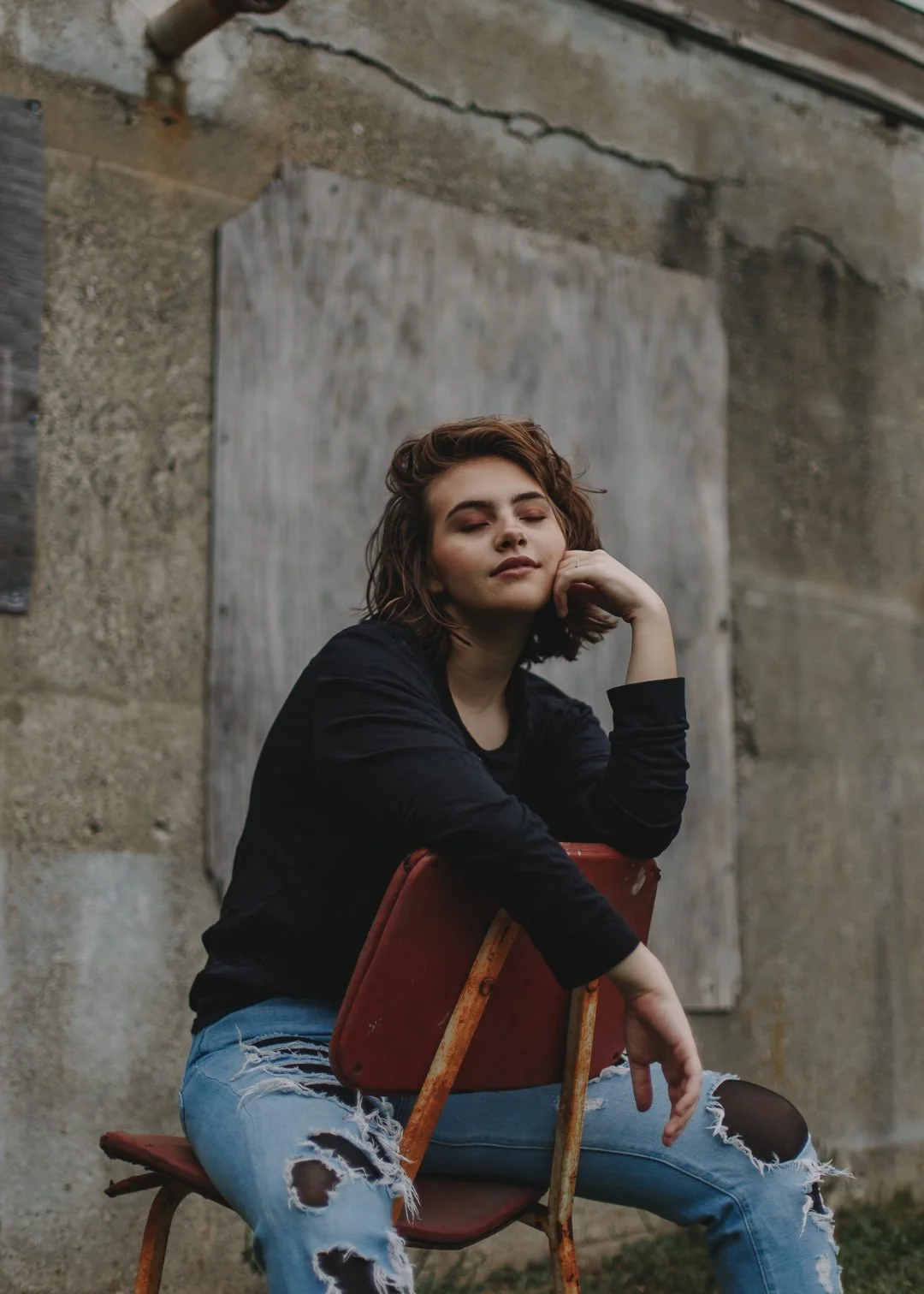
Once I had a solid portfolio of my friends (and kind of felt like I’d exhausted that option), I started looking for models in my area to connect with on Instagram to try and level up my work even further. I’d send them a simple message asking if they’d be willing to let me take photos of them. This kind of work is typically referred to as TFP, or trade-for-prints. Sure, some people ignored me, but some people said yes, leading to my first shoots with models!
(My mom came along with me to most of these early shoots because she was scared about me meeting strangers from the internet.)
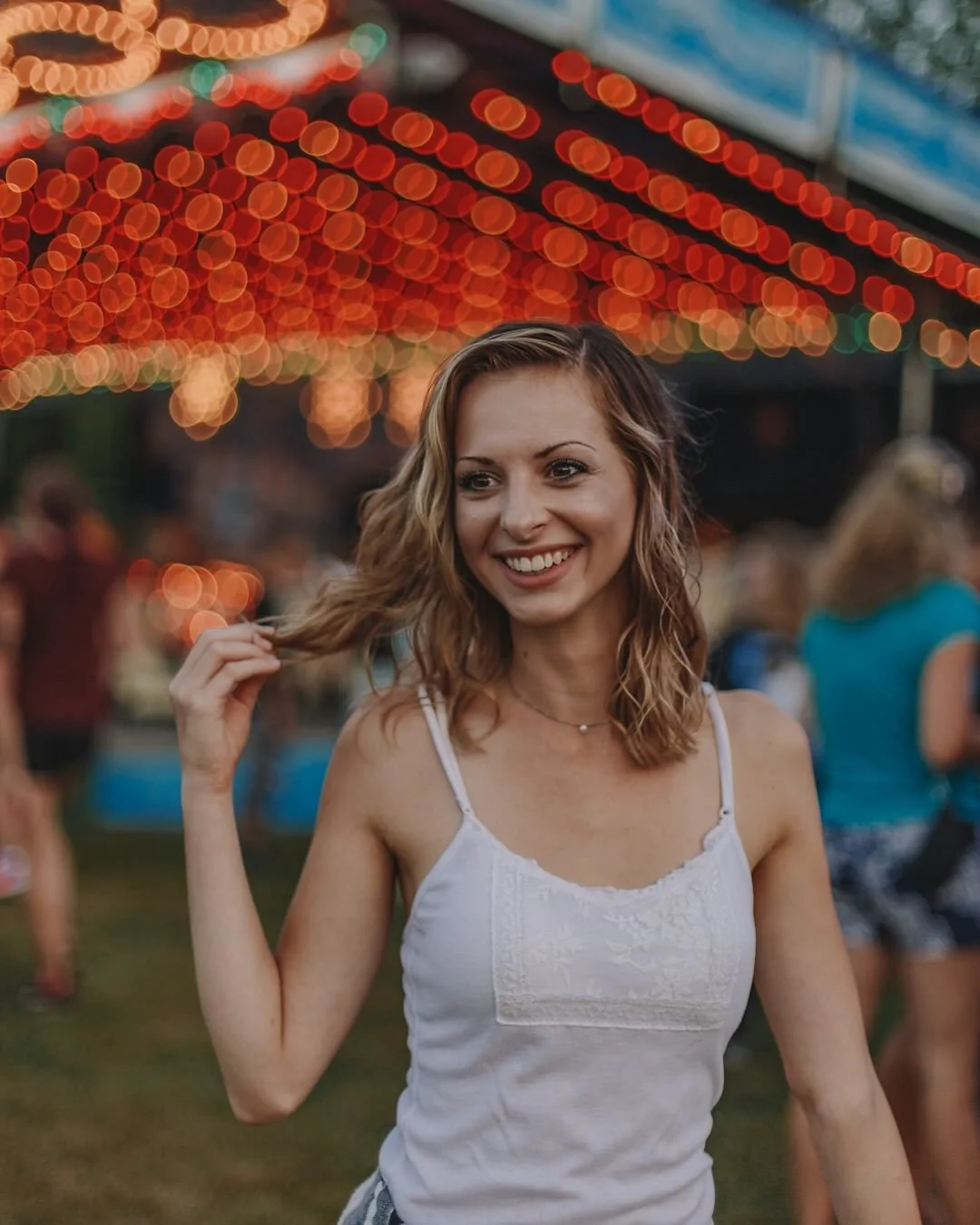
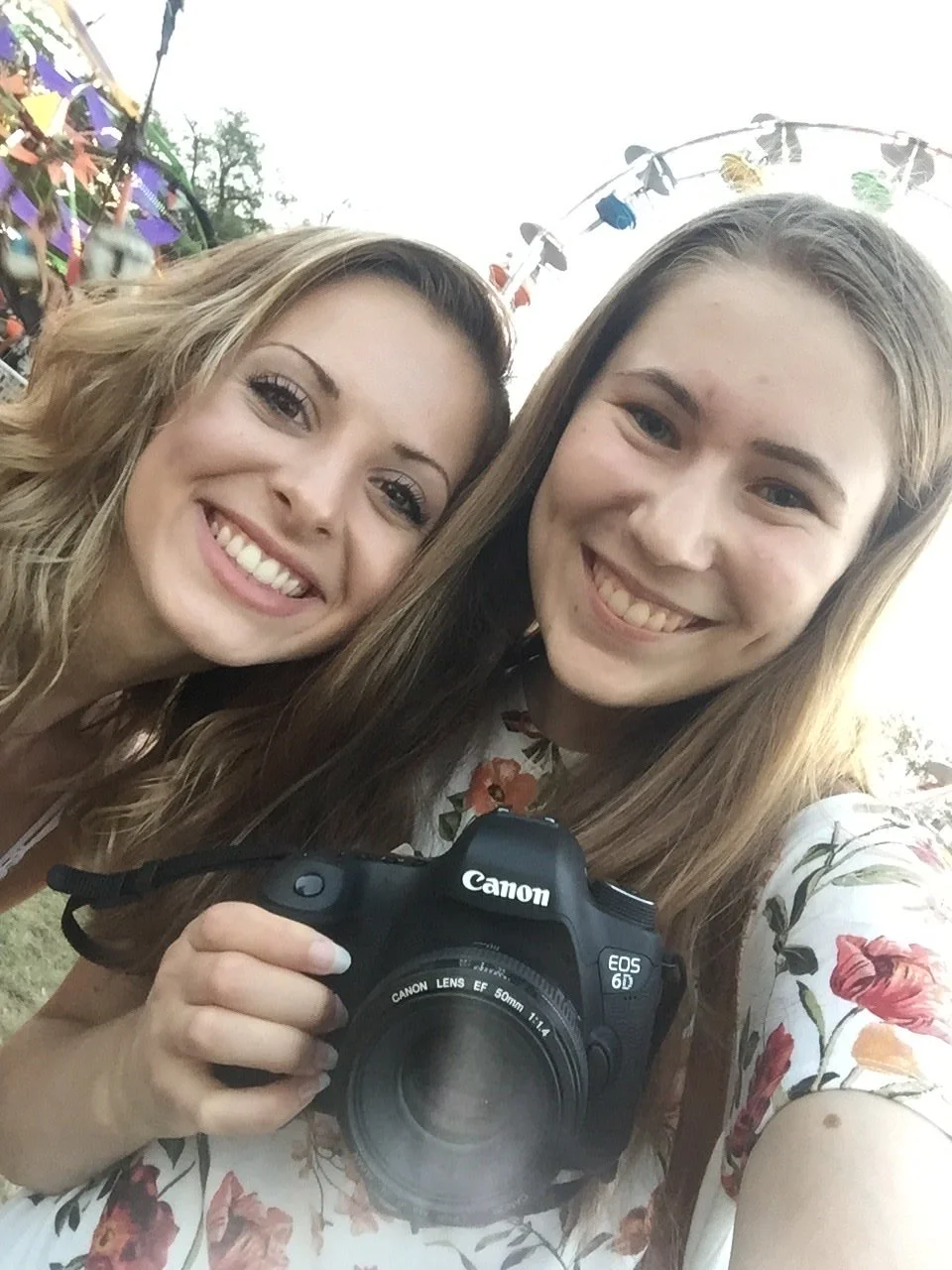
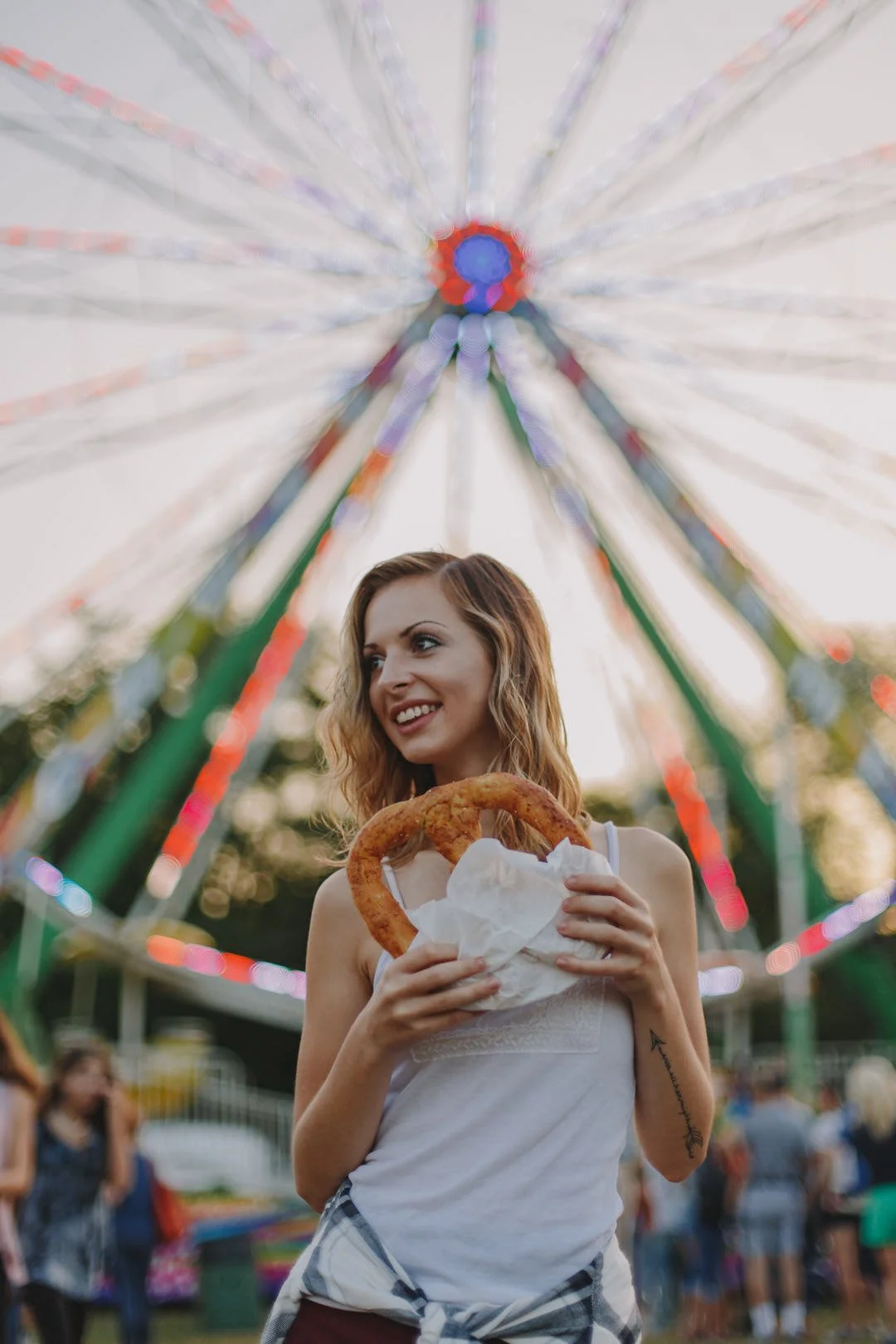
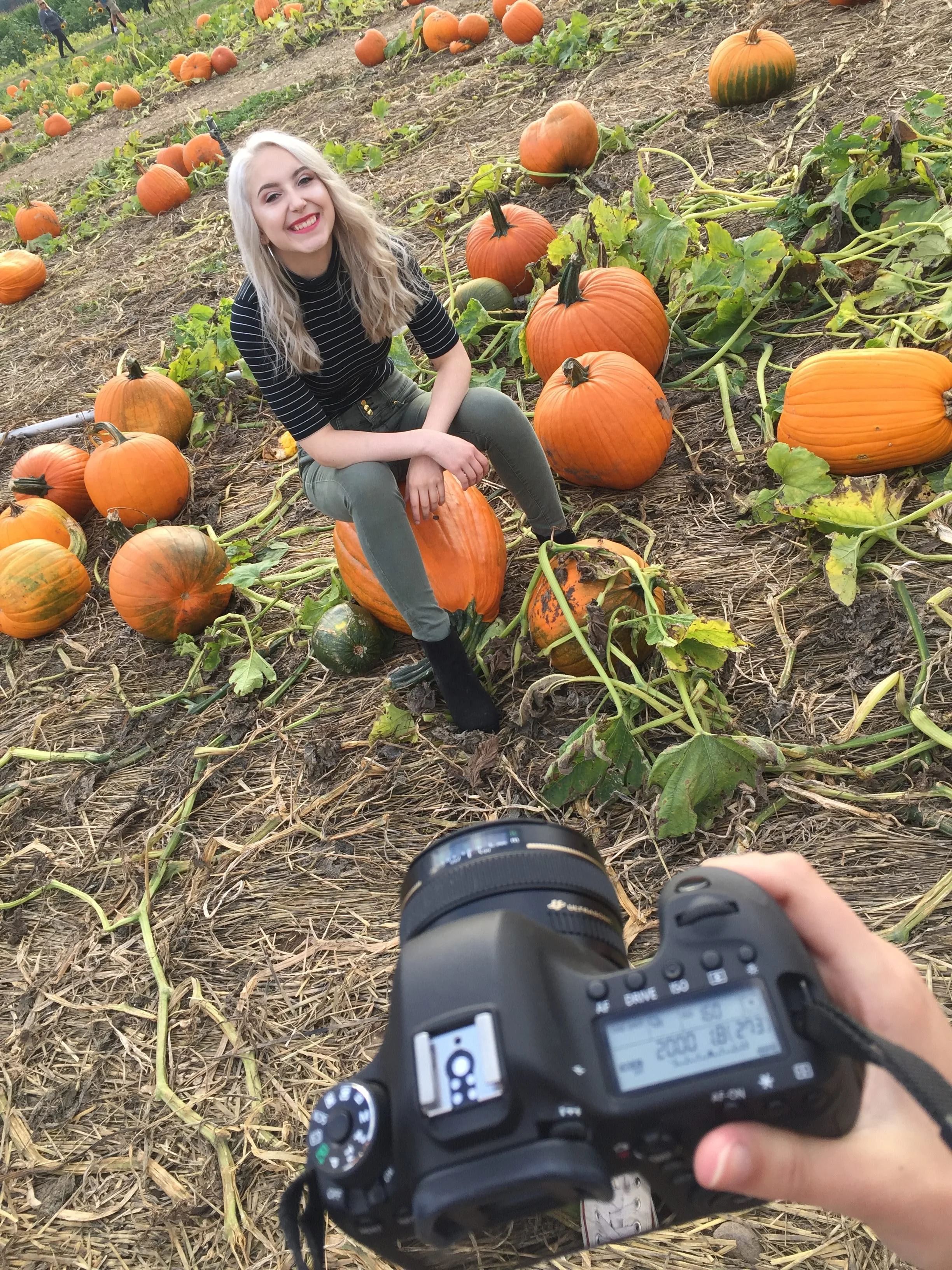
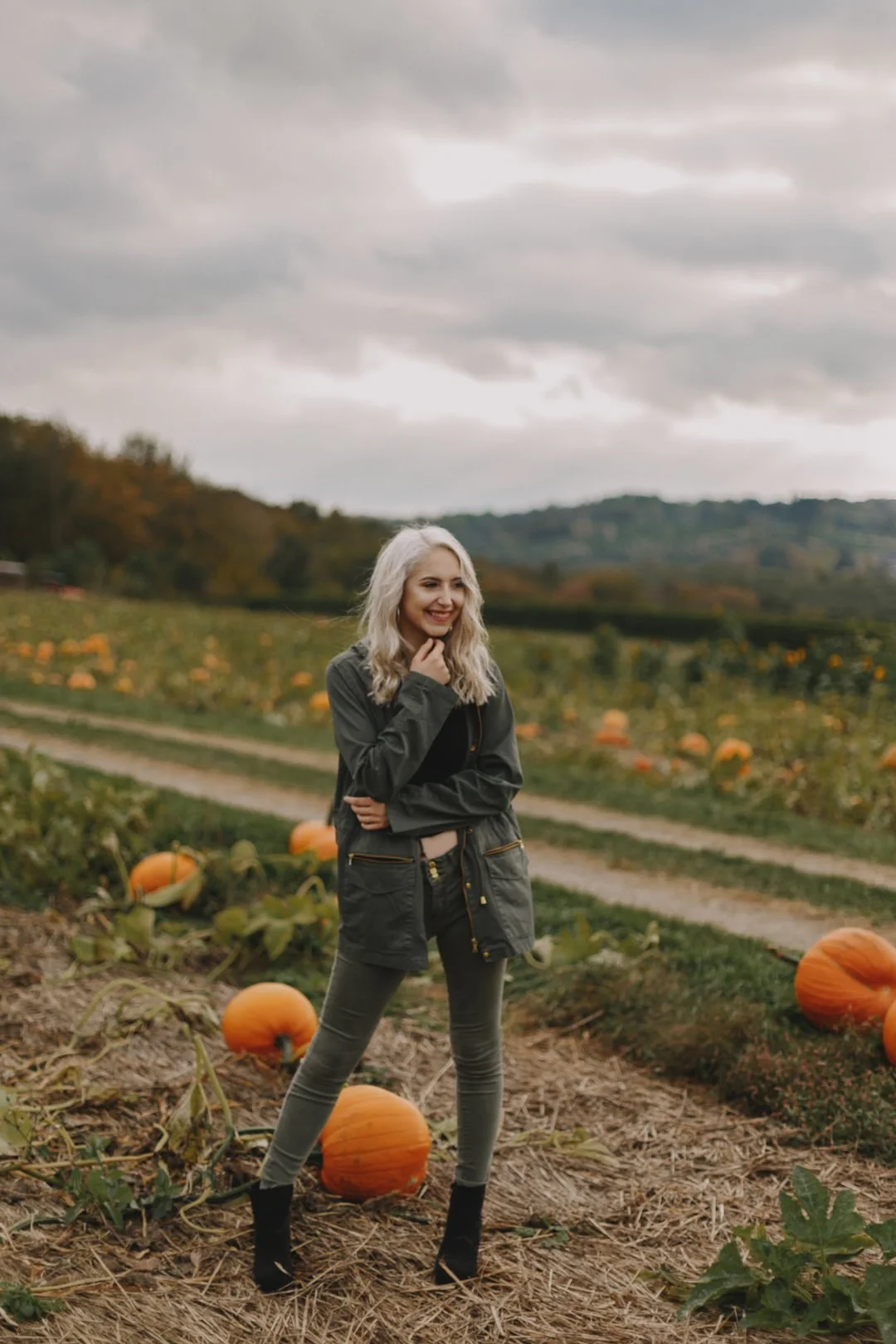
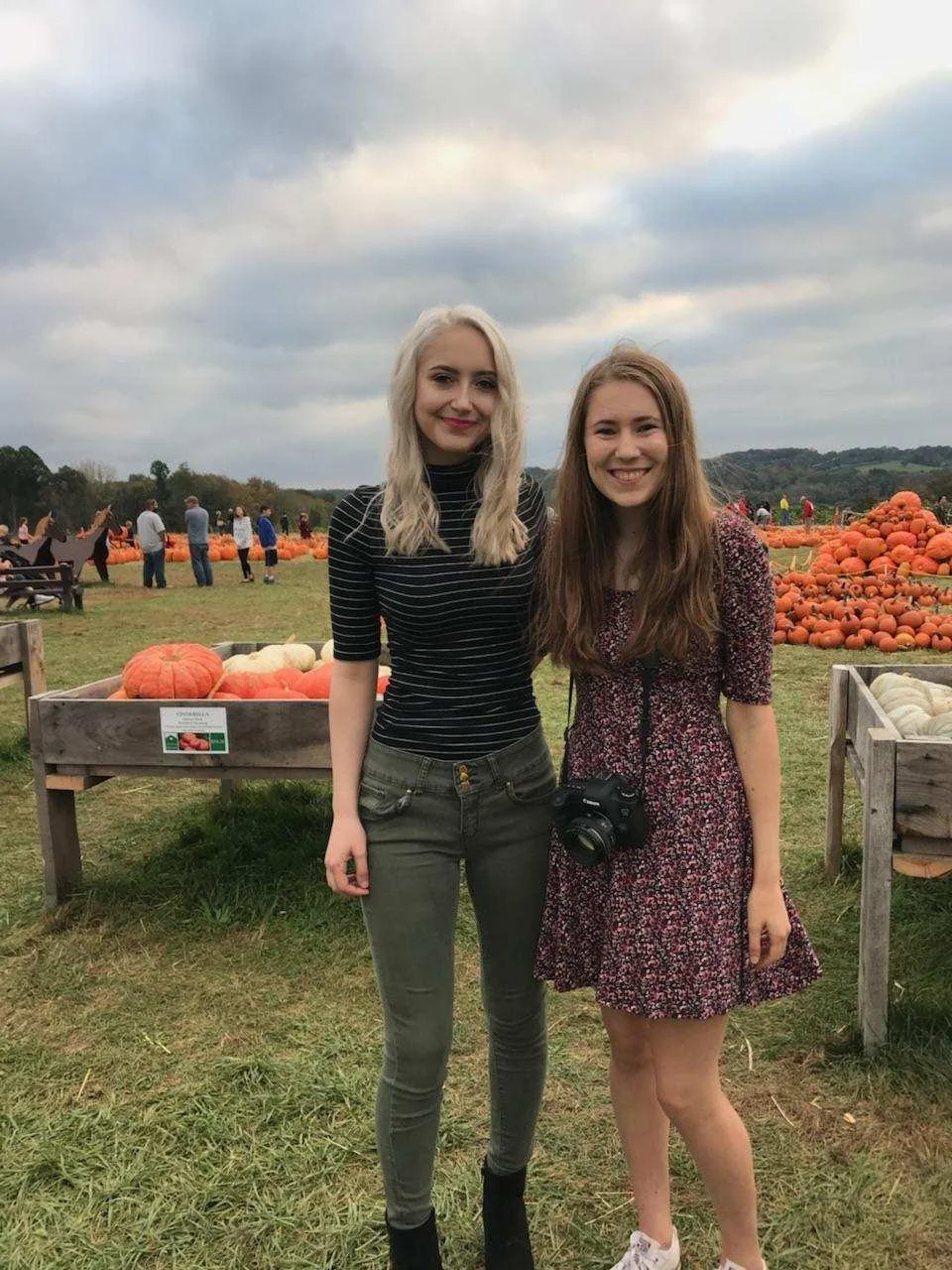
Some of my first TFP photoshoots!
Start a social media account
Let’s back up for a second—in order to connect with those models on Instagram, I needed to have an Instagram account. I would argue that starting a social media account to share my work allowed me to create the business I have today. I was building my business in the age of Instagram: anytime I took photos, I would edit them and share the shoot on my account, using hashtags relevant to my location so other people would see the photos and hopefully book me. This is also how I made some of my very first photography friends!
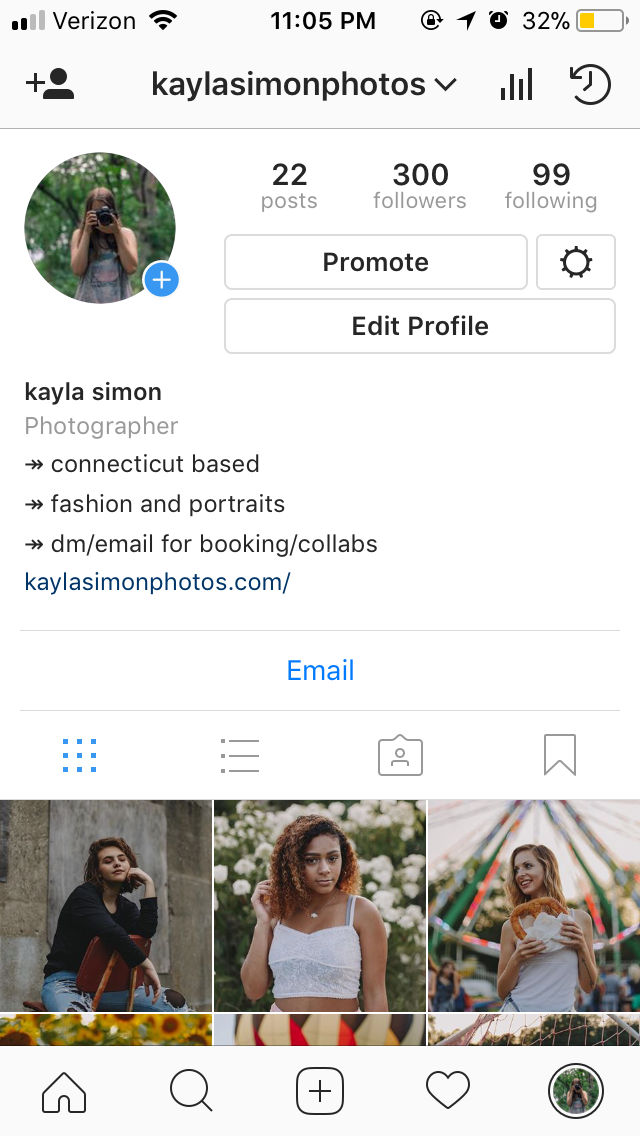
My old Instagram feed! I still use this same account to this day (if you scroll really far back I bet some of these photos are still on there).
I got my first paying client because of Instagram. After posting my work consistently, finally someone who I didn’t know reached out via DM and asked to shoot with me. And this wasn’t one of my friends, meaning it was the first dollars I’d make from photography!
(When I started my business, TikTok didn’t even exist yet, but if I was building a business from scratch today I would probably start there alongside Instagram.)
YouTube University
The more I shot, the more I wanted to keep growing my skills—and the more questions I had. I didn’t know who to ask—I didn’t know any professional photographers—so I signed myself up for YouTube University (aka I typed any questions or things I wanted to know into the YouTube search bar and watched at least the first three videos). Accounts like Jessica Kobeissi, Mango Street, and Jessica Whitaker became my photography gurus. These accounts posted camera tutorials, behind the scenes of their shoots, and perspectives on business ownership, all of which were so helpful as I learned how to pose and interact with clients. Most of these videos still hold up today, I recommend checking them out!!!
This also meant that my initial photography education was totally free (thanks YouTube!) and I could put what little money I was earning from my shoots and minimum wage high school jobs toward upgrading my camera and lenses.
Even now, ten years later, I still turn to YouTube when I have a Photoshop question, want to learn a new lighting setup, or need inspiration for a shoot.
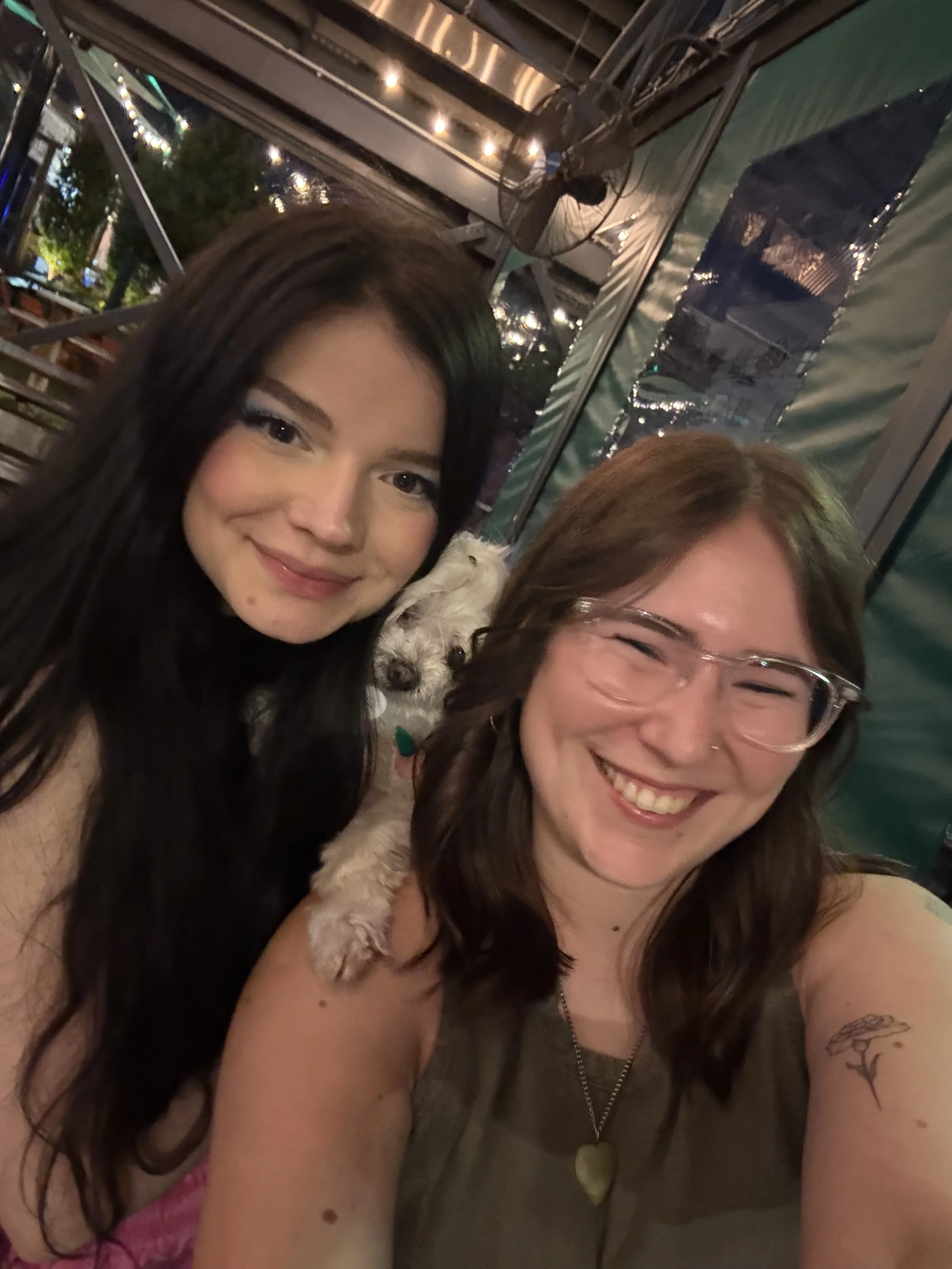
Full circle moment: I got to meet Jessica Whitaker in person in 2025!
Get the legal stuff in place
As soon as you start booking clients, you need to have the legal stuff in place. First up: A CONTRACT! Contracts protect both you and your clients—they make sure everyone’s in agreement about what will happen at the shoot and what will be delivered, and they guard you against clients trying to take advantage of you. I’d read too many horror stories from photographers and knew I needed to have one ASAP.
I can’t say I recommend doing this, but I pieced together my own contract from bits and pieces of things I found online. Then, I emailed a bunch of local lawyers asking if they could take a look to see if it would hold up legally. I was willing to pay for the service, but I got lucky and one very kind lawyer simply looked over my attached contract and let me know his thoughts; as it turns out, I had done a surprisingly good job with my Frankenstein-ed contract and only had to make a few edits—who would’ve thought?).
(This also brings me to a later point, which is that my age worked to my advantage here—more on that in a second.)
These days, I might recommend taking a look at a resource like The Legal Paige and purchasing a contract that’s already been lawyer approved 😬
In my contract, I made sure to include things like a section about arriving promptly because I wanted people to respect my time, a raw images clause because I knew I wouldn’t be giving out any unedited/RAW photos, and a date reservation fee to prevent people from ghosting. Typically, once they’ve paid you a little bit of money, they’re more likely to show up. I outlined fees, delivery times, and how the gallery would be delivered. I also learned from experience, and added things as I went on—for example, after the COVID-19 pandemic, I added a force majeure clause!
The other main legal aspect to consider is that you need to register your business once you start making a certain amount of money (make sure to look at the guidelines for your state). You don’t want to start off your business by making trouble with the IRS! I registered my business as a sole proprietorship with the state of Connecticut, which felt right for me at the time as a high school student.
I remember when I was looking into this, it was very confusing. What is the difference between an LLC and an S-corp? How do I know if I need to be an LLC or if I can just be a sole proprietor? Once again, I returned to my friend YouTube University… and did a LOT of Googling before coming to my decision.
BONUS TIP: When you register your business, you’ll need to register a business name. I highly, highly recommend using something that incorporates your real name (over something like Capturing Moments or whatever). Just trust me, it’ll be better for the future and will help you with brand recognition!
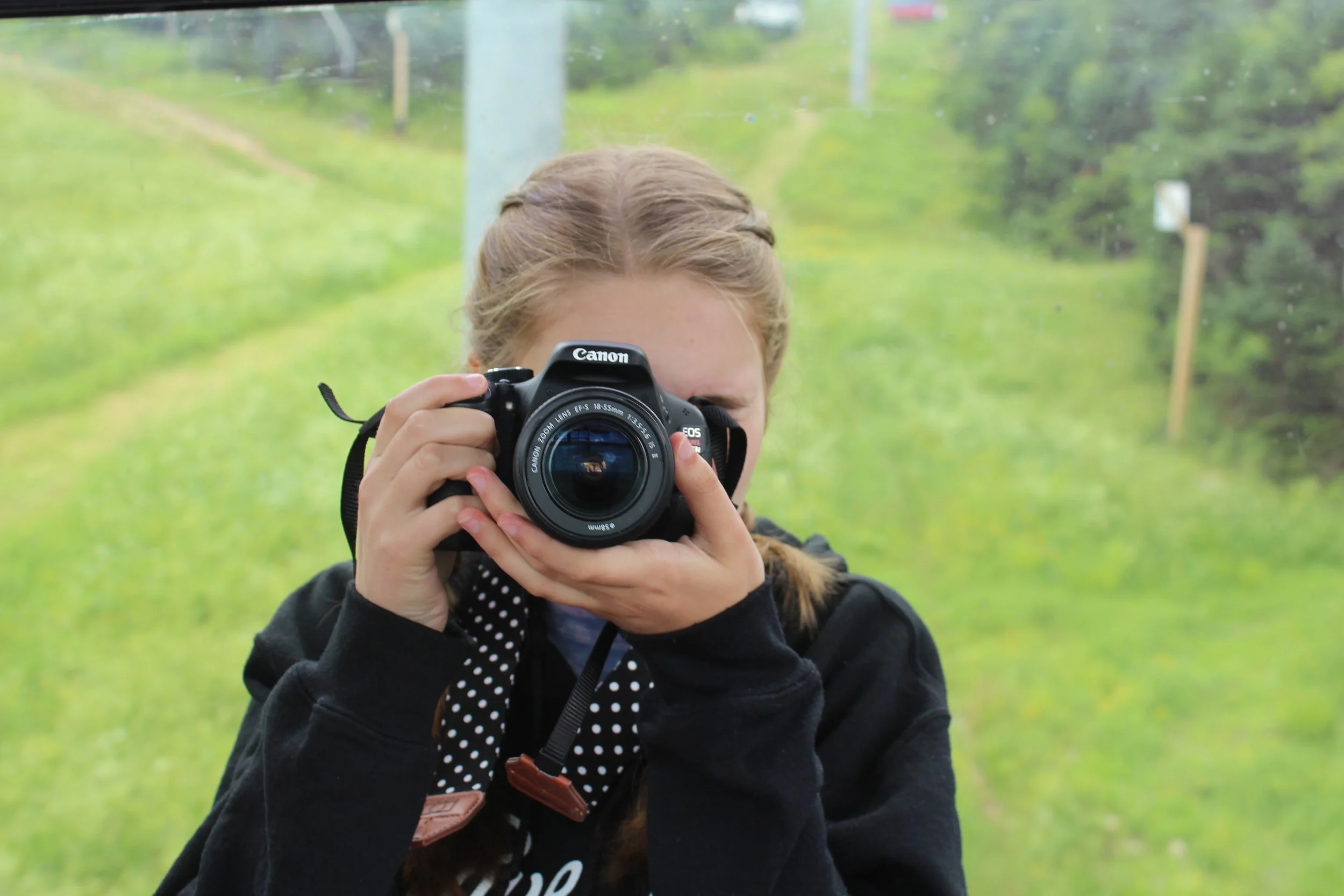
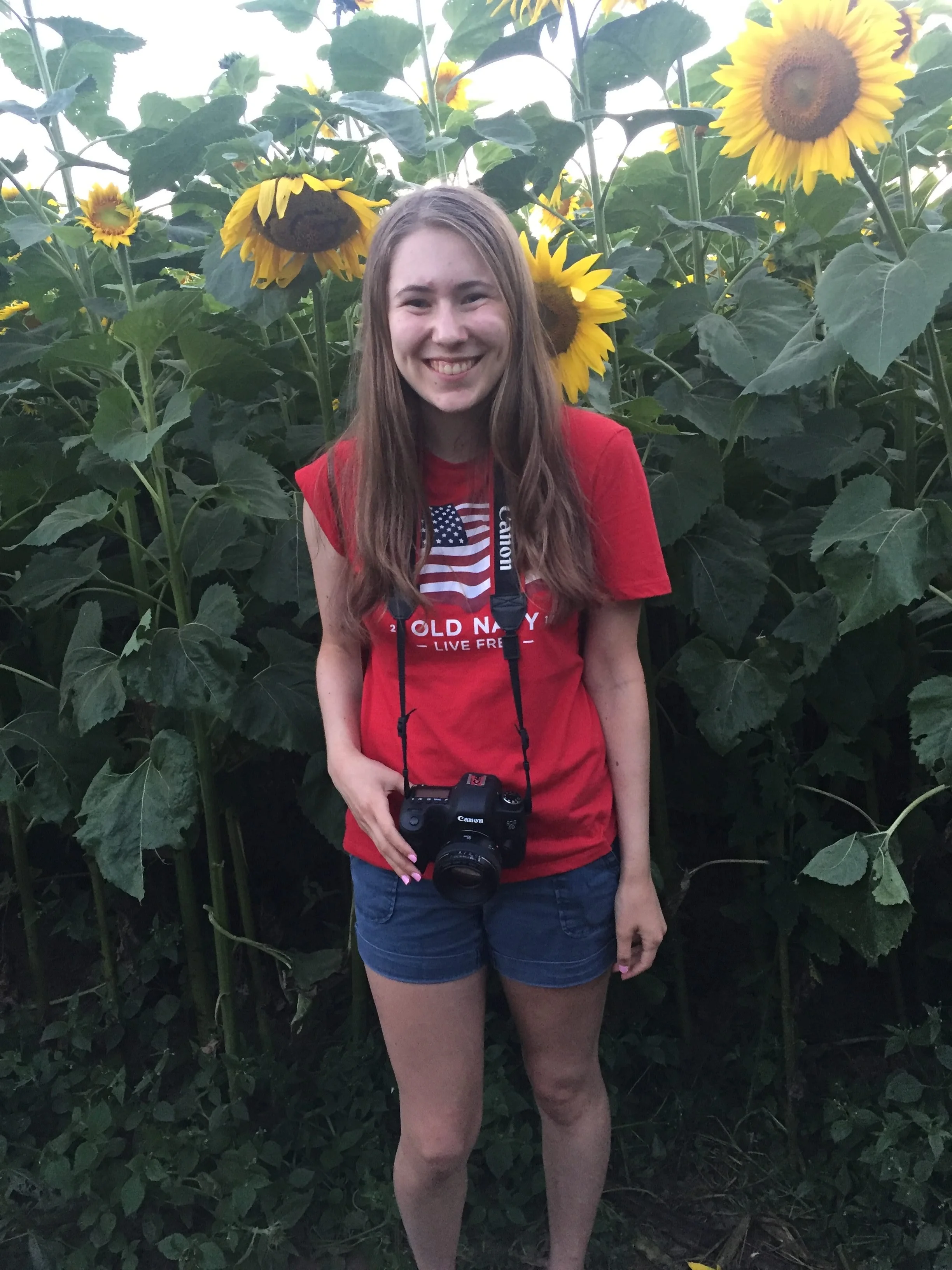
Another photo of me and my camera circa 2016!
Use your age to your advantage
At the end of the day, most people are very kind, and are willing to help young people who are growing in their craft!!! After all, everybody starts somewhere. So with that in mind, I emailed and DMed a bunch of photographers I admired, asking them to connect, to meet me for coffee chats, or to offer any advice about photography. This is how I met the first photographer I would ever work a wedding with (when I was just 16 years old)!
Of course, I didn’t hear back from everyone, but it felt so cool to get responses and advice from some of my favorite fashion photographers (like Zoë Noble and Emily Teague!).
Take advantage of any connections you might have
Networking is everything in the photography industry, and connections can come from unlikely places. Tell everyone you’re a photographer—your parent’s friends, people at school, people on the internet. You might be surprised at what (or who) you find!
I was able to get my start in fashion photography because I was lucky enough that my childhood best friend’s mom was a modeling agent in New York. I reached out and was able to shoot with some of her models and shadow professional photographers that she worked with. By doing this, I built enough of a portfolio that I could reach out to even more agencies and models in a kind of snowball effect. And she’s still someone I work with today!
Find a mentor
As you’re learning and growing as a photographer, finding a mentor or another photographer who you can ask questions of and learn from can be so valuable. Do some research on local photographers in your area and find some people you admire, or whose work interests you. There’s no harm in reaching out and asking to shadow them!
As I said, people are usually willing to help young people! Shadowing and assisting in local shoots allowed me to watch how other photographers worked up close and personal, and I picked up tips I could incorporate into my own work!
You can also join local photography groups and even take a class if you can (try looking at your local library, community center, or camera shop!).
Look at as many photos as possible
Stephen King once said, on writing: “If you want to be a writer, you must do two things above all others: read a lot and write a lot.” I think the same is true for photography. If you want to be a good photographer, you have to shoot a lot AND look at a lot of photos.
There’s so many ways you can do this. Photo books, newspapers and magazines, Pinterest (I kept a Pinterest board of photo inspiration that I still add to to this day). Follow photographers on Instagram who inspired you. Get a physical magazine subscription or look through clothing catalogues; I used to rip out my favorite photos and then plan shoots based on what I liked about them.
It’s also important to keep up with what other photographers are doing in your industry. For me, it was fashion, so I paid for a physical Vogue subscription and paged through the magazine every month. You can do this with other industries, too—there are wedding magazines, senior photo showcases, etc.
I’m always inspired by seeing other art, and seeing what other people are doing can help make you a better photographer.
Dream big!
When I started my business, I had big dreams—and I didn’t really worry about whether or not they were attainable, or how long it might take to reach them. I just set goals, and made small steps towards them. Eventually I ended up here, with a long list of accomplishments I’m proud of (and more I’m still working toward!).
So don’t worry about whether or not your dreams are too big (no such thing). Set goals, see if you can reach them, and then set more. You are capable of achieving everything you want in your art!
These are strategies I started in high school, then continued through college as I continued to grow my business. At the time, I didn’t even know if I wanted it to ever be my job; I just loved being creative and making things I’m proud of. But now, I’m 25 years old and making art for a living, and I credit a lot of my success to the hard work my younger self put in. It’s never too late to start… but it’s also never too early!
If you have any more questions about my journey, feel free to DM me on Instagram! Happy shooting :)